Tinnitus basics
What Is Tinnitus? Causes, Red Flags and When to Get Help
Tinnitus is hearing a sound, such as ringing, buzzing or hissing, that has no outside source. It is a symptom, not a disease, and surveys put it at 10 to 25% of adults. Common causes are noise, hearing loss, some medicines and earwax. Sudden hearing loss in one ear, pulsing sound or ringing after a head injury needs a doctor soon.
Written by the Quietum Plus label deskUpdated
01Definition
What is tinnitus?
Tinnitus is the perception of a sound that has no outside source. Most people describe ringing, but it can also be buzzing, hissing, roaring or clicking. It can be in one ear, both ears or in the head.
Surveys estimate that 10 to 25% of adults have it. It is called chronic when it lasts three months or longer (NIDCD, Tinnitus).
Most of the time tinnitus is not dangerous, but it can be tiring and hard to ignore. It can disturb sleep, focus and mood. That is why people look for help, and why a lot of products are sold for it.
02Symptom, not disease
Is tinnitus a disease?
No. Tinnitus is a symptom. Mayo Clinic says it can be a sign of more than 200 conditions (Mayo Clinic, Tinnitus), and about 9 in 10 people who have it also have noise-related hearing loss.
That is why a hearing exam matters. The sound is a signal, and the job is to find what sets it off.
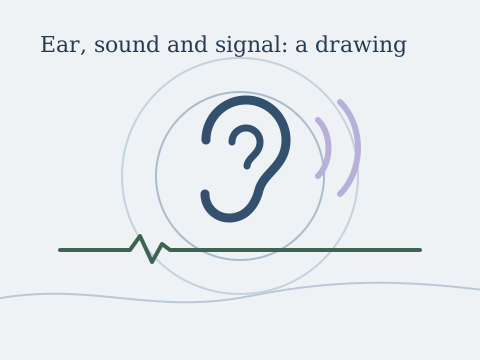
In many people, the cause is the ear itself. When part of the inner ear is worn or damaged, the hearing system may produce a sound of its own. The drawing below shows the four parts of the path.
- 1. Outer ear and canal
Sound enters here. Earwax or an infection in the canal can cause ringing that clears once it is treated.
- 2. Middle ear
The eardrum and three tiny bones pass sound inward. Fluid or stiff bones here can change hearing.
- 3. Inner ear (cochlea)
Tiny hair cells turn sound into nerve signals. Noise and age-related hearing loss start here, and most people with tinnitus have some hearing loss.
- 4. Hearing nerve and brain
Tinnitus is a sound the brain hears with no outside source. Head or neck injuries and some medicines can also trigger it.
A drawing made for this site, not a medical image. Sources: NIDCD (NIDCD, Tinnitus) and Mayo Clinic (Mayo Clinic, Tinnitus).
03Causes
What causes tinnitus?
The most common causes are noise exposure, hearing loss, certain medicines, earwax or ear infection, and head or neck injury. Some people never find a cause (NIDCD, Tinnitus).
Blood vessel problems can cause a beat that matches the pulse. Medicines are worth a check, because many can bring it on (Mayo Clinic, Tinnitus).
Noise
Loud work, music or tools can wear down the inner ear over time.
Hearing loss
Age-related and noise-related hearing loss often come with ringing.
Medicines
Some drugs can cause it. Ask your prescriber before any change.
Earwax or infection
A blocked or inflamed ear can bring on sound that clears when treated.
Head or neck injury
Ringing after an injury is a reason for prompt care.
Blood vessels
A pulse-like beat can have a vascular cause and needs an exam.
04Types
What are the types of tinnitus?
Clinicians sort tinnitus by how it sounds, how long it lasts and what comes with it. The types matter, because each one points to a different next step.
| Kind | What it is like | Usual next step |
|---|---|---|
| Steady ringing or hissing | A tone that does not follow the pulse | Hearing exam if it lasts or bothers you (AAO-HNSF Tinnitus Guideline 2014) |
| Pulsatile | A beat that matches your heartbeat | Prompt exam; imaging may be ordered (NIDCD, Tinnitus) |
| One-sided | Sound in only one ear | Hearing exam (AAO-HNSF Tinnitus Guideline 2014) |
| With hearing loss | Ringing plus muffled or missed sounds | Hearing exam, hearing aid check (AAO-HNSF Tinnitus Update 2026) |
| Sudden, with hearing loss in one ear | Sound and a drop in hearing within hours or days | Same-day care (NIDCD, Sudden Deafness) |
05Red flags
Can tinnitus be a sign of something serious?
Yes, sometimes. Most tinnitus is not an emergency, but a few patterns need a doctor soon. The NHS asks for an urgent appointment when the sound pulses, and emergency care after a head injury or with facial weakness or vertigo (NHS, Tinnitus).
Mayo Clinic lists sudden hearing loss, dizziness, numbness and weakness as reasons to be seen quickly (Mayo Clinic, Tinnitus).
Pause here if any of these fit
- Sudden hearing loss in one earOver hours or a few days. This is urgent: treatment works best when started early.
- Ringing that beats with your pulseA whooshing or thumping in time with your heartbeat (pulsatile tinnitus) can come from blood vessels and needs checking.
- After a head or neck injuryNew ringing after a fall, blow or accident needs a medical exam.
- With dizziness, weakness or a drooping faceRinging with a spinning feeling, sudden weakness, numbness or a drooping face needs emergency care.
- In one ear only, and it staysGuidelines call for a full hearing exam when tinnitus is one-sided or lasting.
See a doctor soonIf ringing does not go away, bothers your sleep or mood, or comes with any change in hearing. Bring a list of every medicine you take: some can cause ringing, but never stop one on your own.
Call 911For ringing with sudden weakness, numbness or a drooping face, or after a serious injury. Do not wait to see if a supplement helps.
Sources: NIDCD on sudden deafness (NIDCD, Sudden Deafness), the NHS (NHS, Tinnitus), Mayo Clinic (Mayo Clinic, Tinnitus) and the tinnitus guideline (AAO-HNSF Tinnitus Guideline 2014). A supplement never replaces a hearing test or an exam.
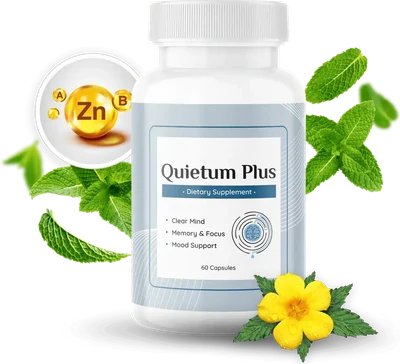
Quietum Plus: from $49 a bottle60 capsules a bottle · 2, 3 or 6 bottles · 60-day money-back guarantee
See packs06If it starts suddenly
What should I do if tinnitus starts suddenly?
Get seen the same day if the sound comes with a drop in hearing in one ear. Sudden hearing loss is a medical emergency, and the NIDCD says to see a doctor immediately (NIDCD, Sudden Deafness).
The loss is usually in one ear, and it may arrive all at once or over a few days. Waiting beyond two to four weeks lowers the chance of recovery.
Call or go in today
Use urgent care, an ear, nose and throat clinic or the emergency room if nothing else is open.
Say what changed
Tell them which ear, when it began and any new medicines.
Do not wait it out
Do not try a supplement first. Time matters more.
07Care
Who treats ringing in the ears?
Start with a primary care doctor, then an audiologist for a hearing exam. An ear, nose and throat doctor, also called an otolaryngologist, handles medical causes.
The guideline advises a prompt hearing exam when tinnitus is one-sided, lasts six months or more, or comes with hearing trouble (AAO-HNSF Tinnitus Guideline 2014). An audiologist can also fit hearing aids and teach coping skills.
Your doctor can look for earwax, infection, medicine effects and blood vessel causes first. Bring your medicine and supplement list.
08What helps
What do guidelines say helps tinnitus?
The 2026 US guideline update points to a hearing aid check when there is hearing loss and to cognitive behavioral therapy for persistent, bothersome tinnitus (AAO-HNSF Tinnitus Update 2026). It also says clinicians should not recommend dietary supplements for it.
That fits the NIDCD view: no medicine is approved by the FDA for tinnitus, and none of the vitamins, herbs or supplements advertised for it has been shown to work (NIDCD, Tinnitus).
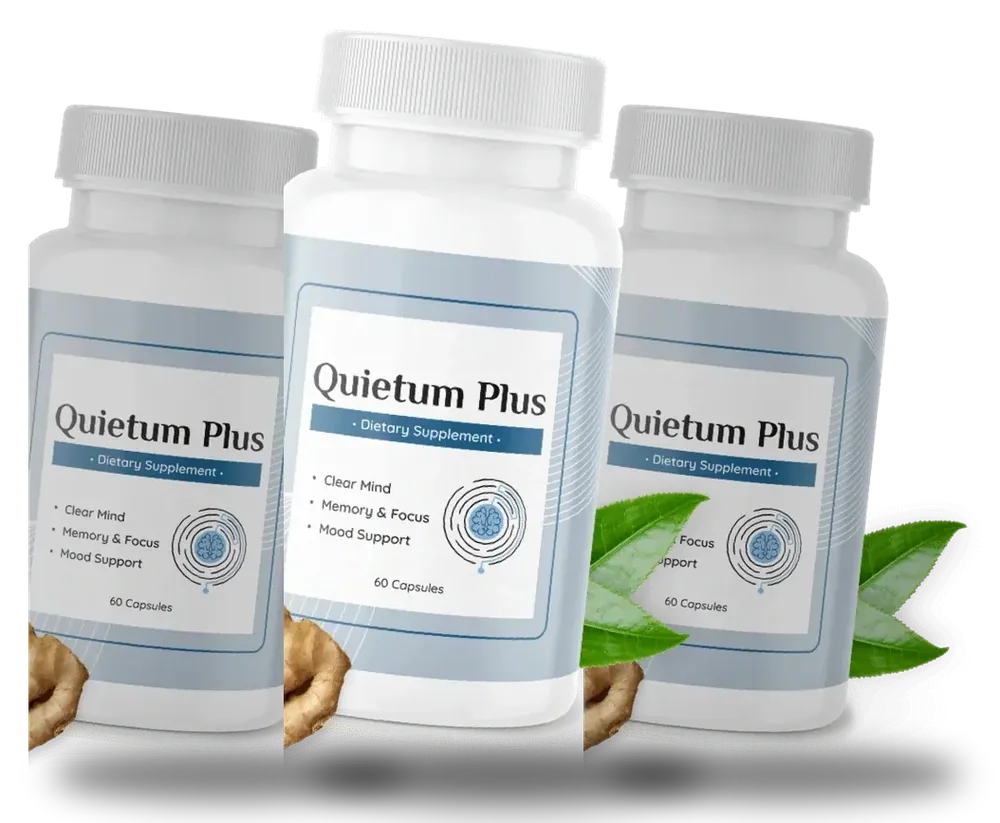
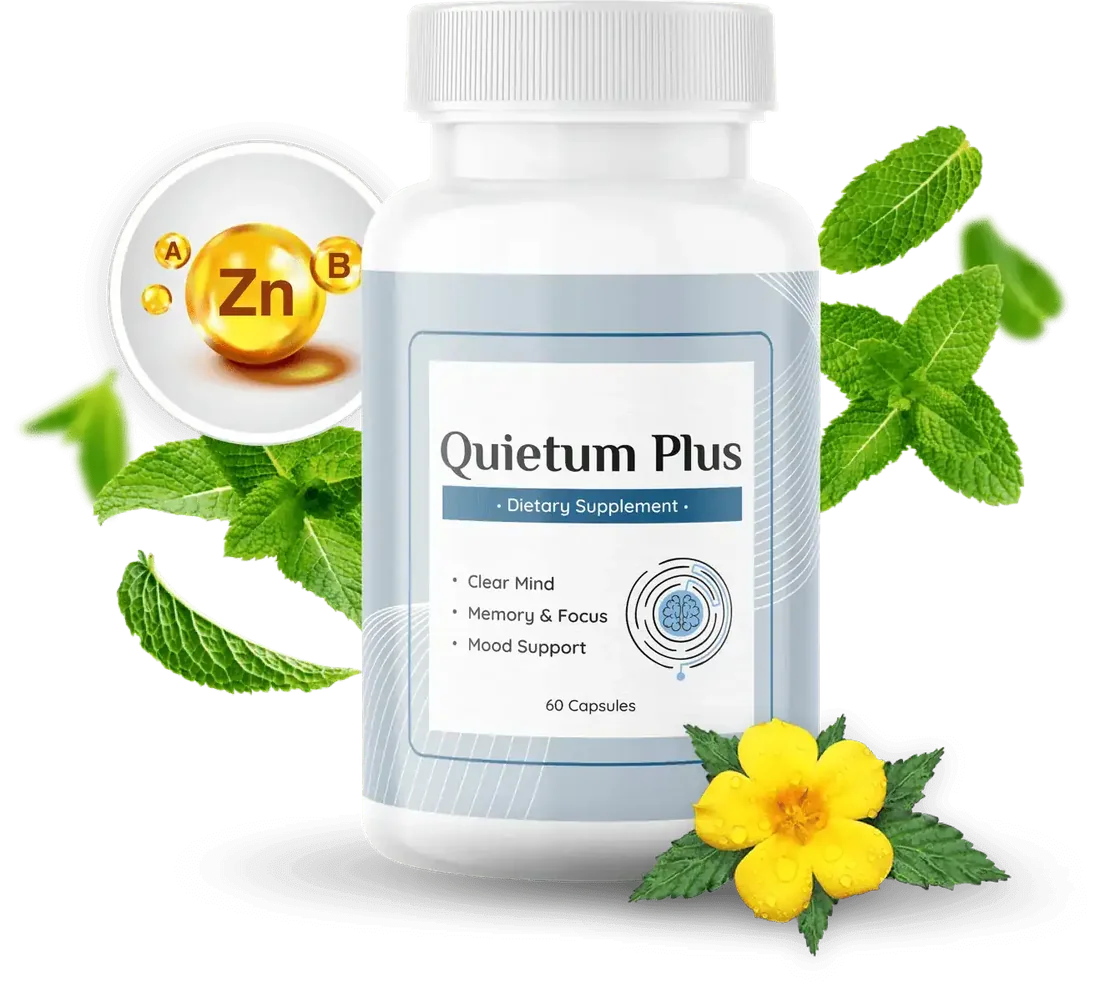
Quietum Plus is a capsule dietary supplement, not a medicine for tinnitus. Our guide to hearing supplements shows what trials found, and the side effects page covers its ingredients.
Do not stop, skip or change a prescribed medicine because of ringing. Only your doctor should change it. The guideline also asks clinicians to ask about self-harm risk, so tell someone if the sound is wearing you down.
09Track it
Should I keep a log of my ringing?
Yes. A short log helps you and your doctor see patterns: loudness, triggers, sleep and any change after a new medicine.
The log below stays on your own device. We do not see it, and clearing your browser data removes it.
Your scores stay in this browser only; nothing is sent. Bring them to your doctor or audiologist.
Any sudden change, one-sided ringing, a pulsing sound or new hearing loss is a reason to see a doctor, whatever the log shows.
Read more in the guides hub.
10FAQ
Tinnitus questions
Is tinnitus a disease?
No, tinnitus is a symptom, not a disease. Mayo Clinic says it can be a sign of more than 200 conditions (Mayo Clinic, Tinnitus), and hearing loss is the most common link. A hearing exam helps find the cause.
What are the types of tinnitus?
Doctors sort it by sound and pattern: steady ringing, pulsing that matches the heartbeat, one-sided sound, and tinnitus with hearing loss. Pulsing and sudden one-ear tinnitus with hearing loss need prompt care (NHS, Tinnitus), while steady ringing calls for a hearing exam if it lasts.
Can tinnitus be a sign of something serious?
Yes, sometimes. Pulsing sound, ringing after a head injury, or ringing with dizziness, weakness or a drooping face can point to a serious cause (NHS, Tinnitus). Most tinnitus is not an emergency, but these signs need a doctor soon.
What should I do if tinnitus starts suddenly?
See a doctor the same day if it comes with hearing loss in one ear. Sudden hearing loss is a medical emergency, and delay beyond two to four weeks lowers the chance of recovery (NIDCD, Sudden Deafness). Go to urgent care or the emergency room if needed.
Who treats ringing in the ears?
Start with a primary care doctor and an audiologist for a hearing exam. An ear, nose and throat doctor handles medical causes. Audiologists also fit hearing aids and teach coping skills, which the guideline favors for persistent, bothersome tinnitus (AAO-HNSF Tinnitus Update 2026).
Does hearing loss cause tinnitus?
Often, yes. Mayo Clinic says about 9 in 10 people with tinnitus have noise-related hearing loss (Mayo Clinic, Tinnitus). The two are linked, so a hearing exam is a sensible first step for ringing that lasts, even if you think your hearing is fine.
What do guidelines say helps tinnitus?
The 2026 US guideline favors cognitive behavioral therapy and a hearing aid check when there is hearing loss, and it advises against recommending supplements for persistent, bothersome tinnitus (AAO-HNSF Tinnitus Update 2026). The NIDCD adds that no medicine is approved by the FDA for it (NIDCD, Tinnitus).
11Who wrote this
Written and reviewed by
Pages built from the bottle images, the sales page and linked NIH, NIDCD, FDA, FTC and peer-reviewed sources.
Last updated . Read our editorial standards and how we check reviews. This website is run by Goquietumplus, a USA Authorized Quietum Plus Retailer, not by the manufacturer. We earn money when you buy through our order links.
Keep reading
More about Quietum Plus

USA Authorized Quietum Plus Retailer
Ready to try Quietum Plus?
Read the label, check your medicines with your doctor, then pick a pack. Bigger packs cost less per bottle, and the 60-day guarantee covers every pack.
- Secure BuyGoods checkout
- 60-day money-back guarantee
- Ships from the U.S.